Key element 

Stone, a symbol of lasting durability

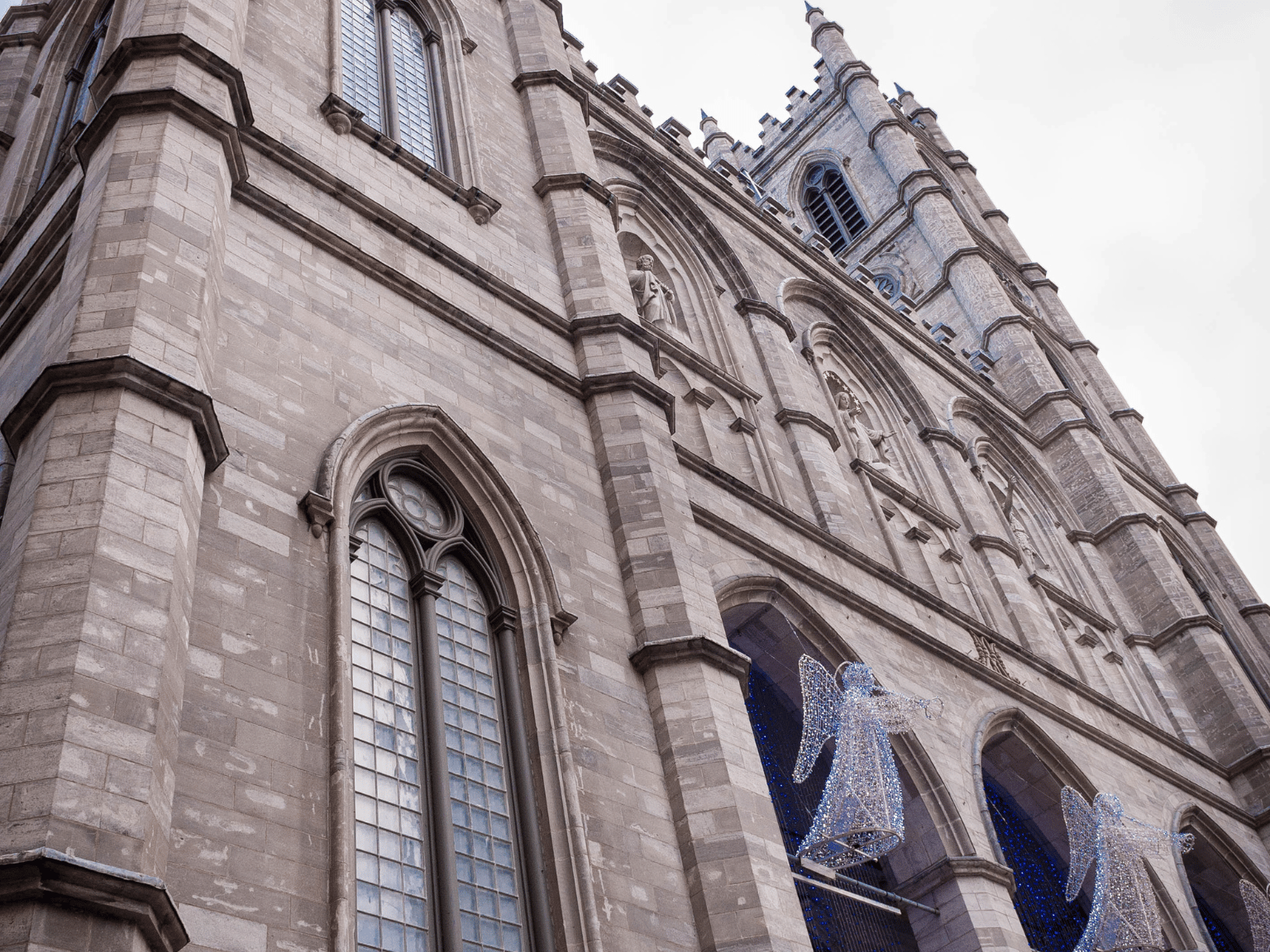
Beyond the stained glass and starry vaults, Montreal’s Notre-Dame Basilica is built from local stone, each block whispering nearly 200 years of artisanal ingenuity.
Published and updated on August 19, 20252 min read
Stone, a symbol of lasting durability

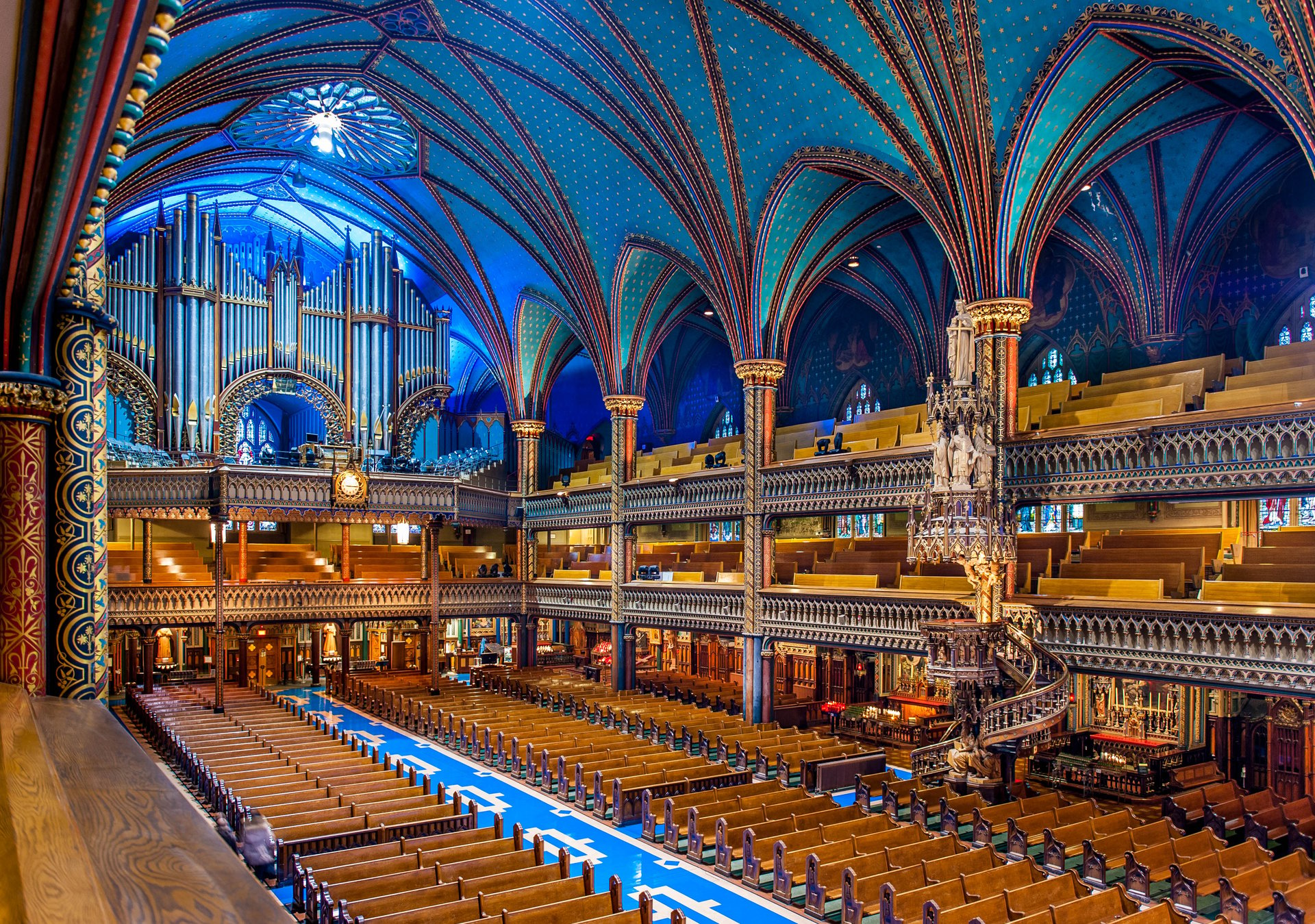
In the heart of Old Montreal, Notre-Dame Basilica stands as one of the most striking monuments of Quebec and Canada’s religious and architectural heritage. Built in the 19th century, each year it attracts visitors from around the world, drawn by its stained glass windows, sculptures, starry ceiling, and Neo-Gothic style. Beyond its beauty, its foundations and walls also tell a story: the story of stone. 

Construction of the Basilica began in 1824, based on plans drawn by Irish-born architect James O’Donnell. At the time, Montreal’s population was growing rapidly, and the existing parish church was no longer sufficient. A larger, more ambitious building was needed to meet the spiritual needs of a thriving community. 


A practical, economical, logical choice 

The primary material used for construction was grey limestone, a local stone quarried in and around Montreal. This choice was above all practical: limestone is abundant, easy to carve, relatively light, and most importantly, durable. It withstands harsh weather conditions and climates, making it an ideal building material. Sourcing it locally also helped reduce costs and delays, while supporting regional craftsmen and labourers. 

Building the Basilica required intense manual labour. Stone blocks were extracted by hand, transported by cart, and shaped directly on-site by skilled stonemasons. Every wall, column, and flying buttress was crafted with precision by these workers, whose craftsmanship remains stunning to this day. Their expertise not only made it possible to construct an impressive building, it also left a physical trace of their legacy, still visible two centuries later. 


Stone’s trace through time 

The stone of the basilica serves more than a structural purpose: in society, stone is also a symbol of strength, stability, and endurance. This symbolism takes on a tangible form with the Notre-Dame Basilica, knowing that its foundations are solid in both the literal and figurative sense. 

The architecture and materials of the Basilica become a message in themselves for future generations: the height of the vaults, the thickness of the walls, and the mass of the columns all evoke a sense of permanence. The building seems to defy time - just like the stone it is made of. 
Other articles

Restoring Montreal’s Notre-Dame Basilica: preserving a heritage gem 

Long-term work 

Restoring Montreal’s Notre-Dame Basilica: preserving a heritage gem 

Since 2019, the Notre-Dame Basilica of Montreal, a neo-Gothic landmark in Old Montreal and witness to two centuries of history, is the subject of an ambitious restoration project. Considered as a giant puzzle by architects and workers alike, the project aims to preserve the architectural and artistic integrity of the building, while ensuring its perennity for future generations. 

The Basilica’s grand Casavant organ

In numbers

The Basilica’s grand Casavant organ

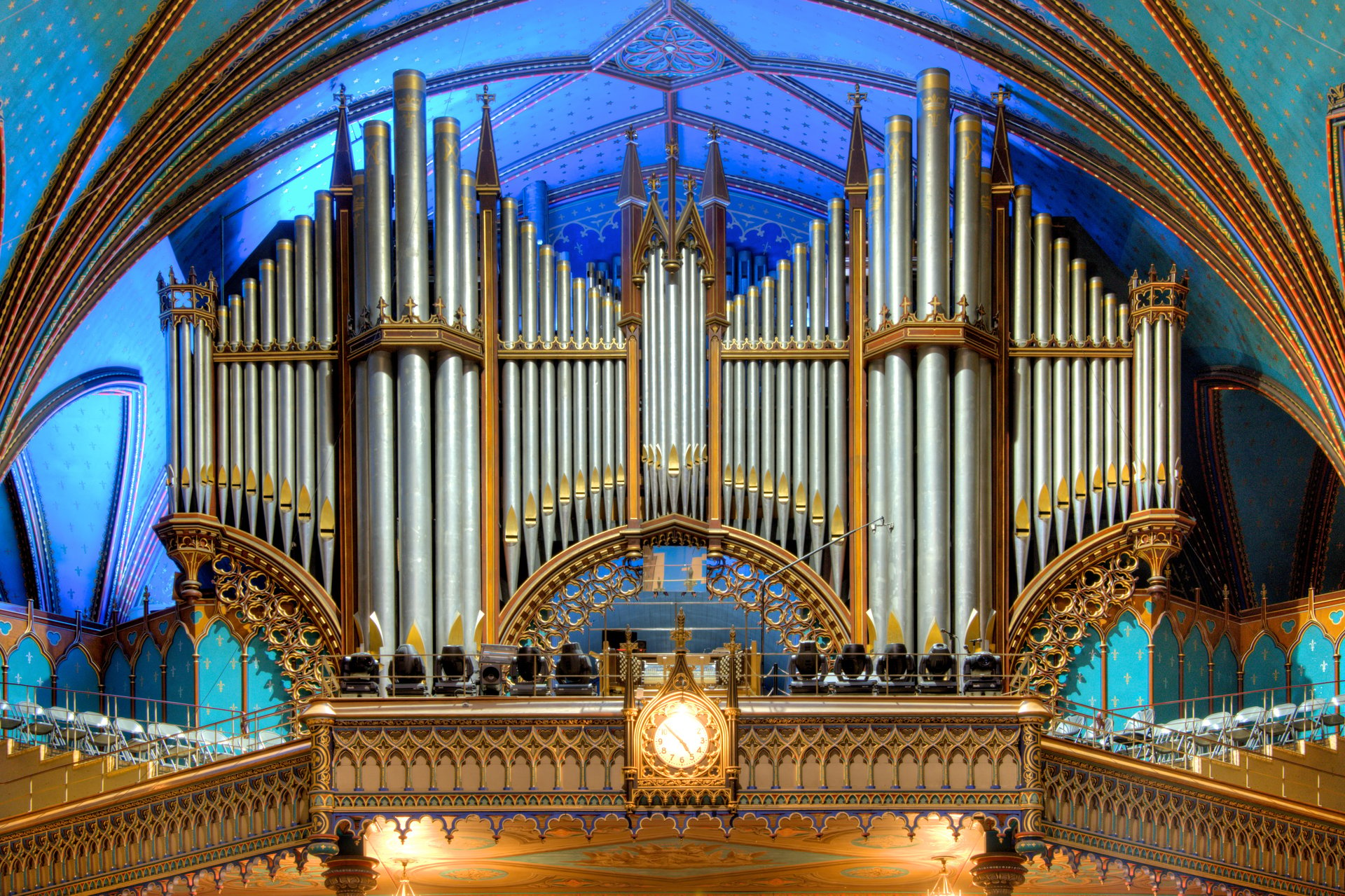
Standing proudly on the north side of the building since 1891, the grand Casavant organ of Montreal’s Notre-Dame Basilica is much more than a decorative instrument: indeed, it is a monument within a monument. As large as a two-story house and featuring 7,000 pipes, every technical detail reflects both the boldness of Quebec’s organ builders and the unique acoustics of the Neo-Gothic nave.

The stained-glass windows of Notre Dame: from creation to conservation 

Light and colours

The stained-glass windows of Notre Dame: from creation to conservation 

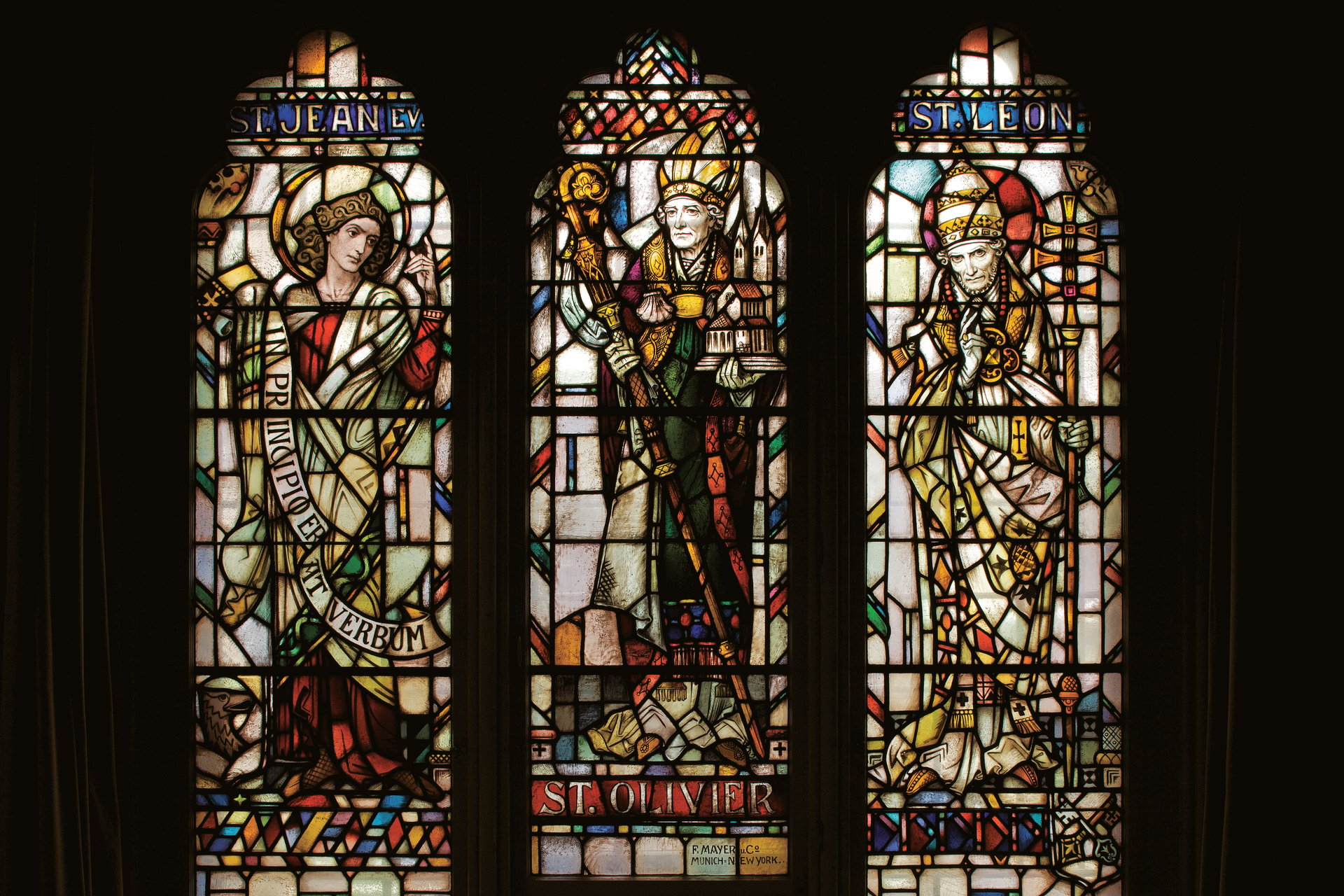
The magnificent stained- glass windows of Montreal’s Notre-Dame Basilica are much more than decorations: they are true works of art, created with patience and skill, each telling a story and illuminating the interior of the church with polychromatic light. How were they made? And how must they be maintained in order to preserve their beauty and strength over time? 

The Notre-Dame Basilica of Montreal: a heritage site to be protected 

Admission fees

The Notre-Dame Basilica of Montreal: a heritage site to be protected 

Visitors are sometimes surprised to learn that there is an admission fee to enter Montreal’s Notre-Dame Basilica, a place of worship. For many, a church should remain a space open to all, a sanctuary that anyone may enter freely, whether to pray, marvel at its beauty, or simply seek a moment of silence. However, the reality of this unique site is different. 

5 Good Reasons to Give to the Notre-Dame Basilica of Montreal Foundation

Lasting donation

5 Good Reasons to Give to the Notre-Dame Basilica of Montreal Foundation

The fundraising campaign for the restoration of Montreal’s Notre-Dame Basilica relies heavily on public generosity. Here are five concrete reasons to donate, supported by figures, issues, and motivations.