In numbers
The Basilica’s grand Casavant organ
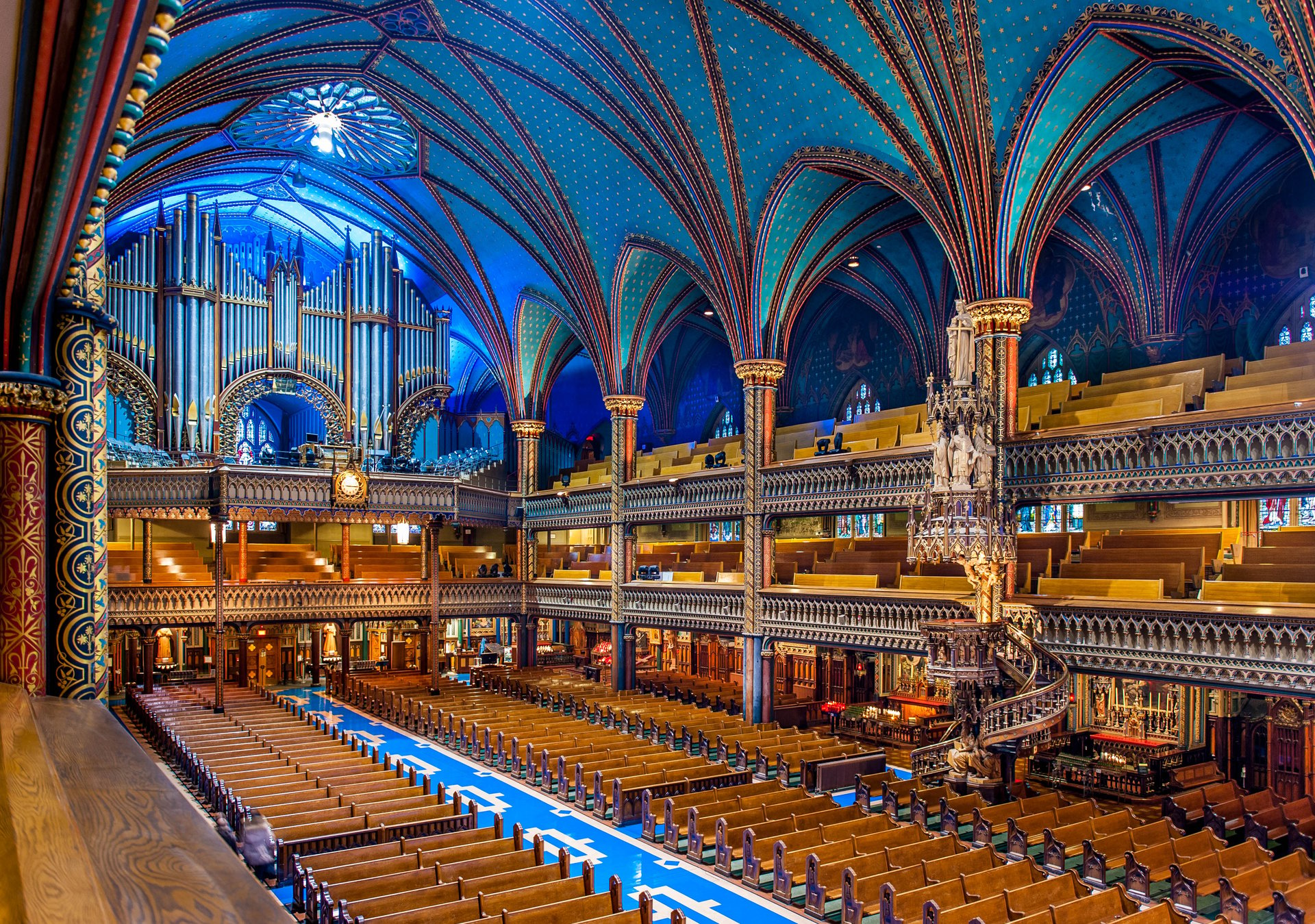
Standing proudly on the north side of the building since 1891, the grand Casavant organ of Montreal’s Notre-Dame Basilica is much more than a decorative instrument: indeed, it is a monument within a monument. As large as a two-story house and featuring 7,000 pipes, every technical detail reflects both the boldness of Quebec’s organ builders and the unique acoustics of the Neo-Gothic nave.
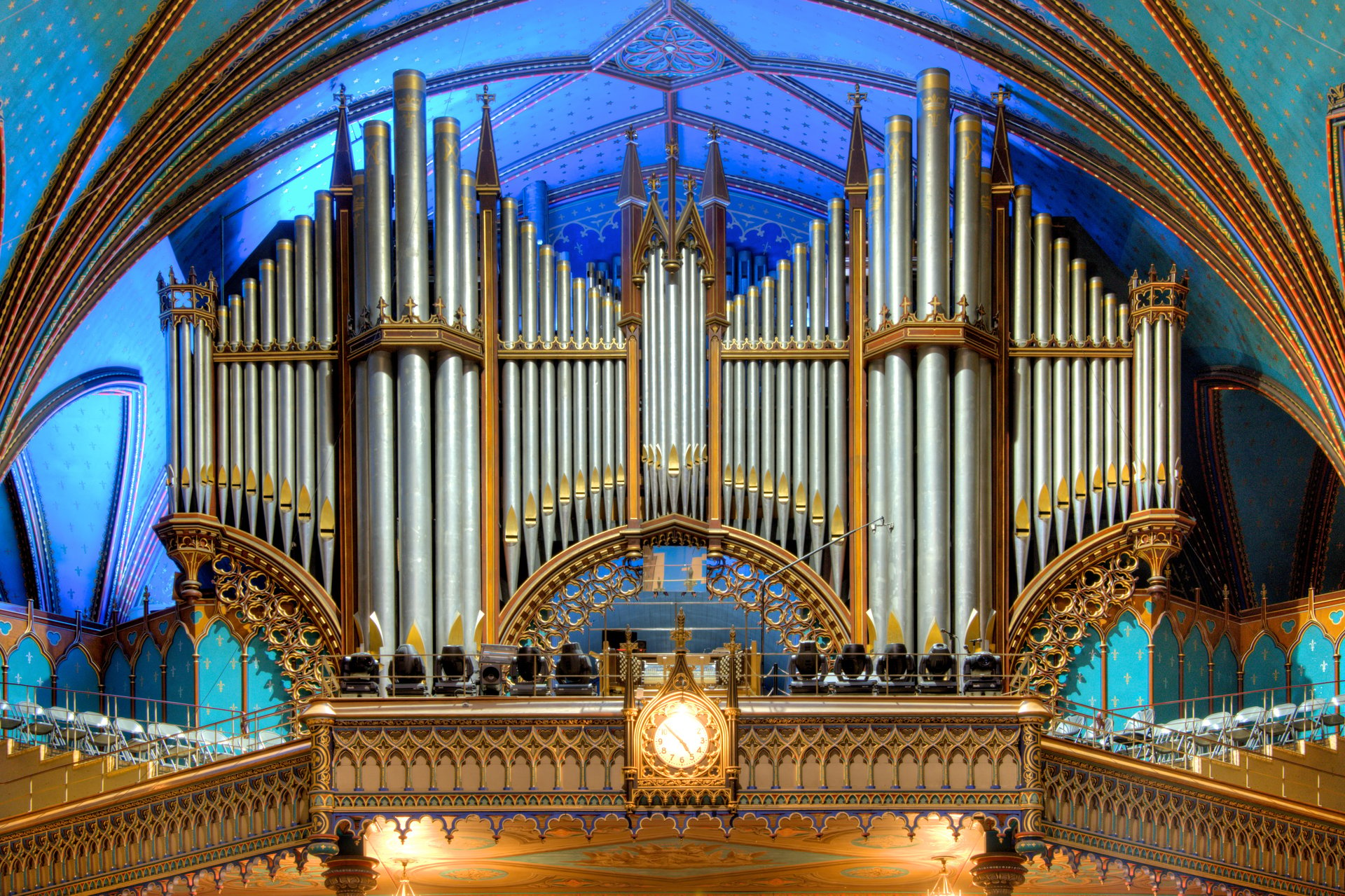
Here are some impressive numbers about the Basilica’s magnificent Casavant organ:
1891
The year the instrument was inaugurated. As the first four-manual organ delivered by Casavant Frères, the Opus 26 propelled the Saint-Hyacinthe workshop onto the international stage.
7,000 pipes
From the deepest tones to the highest pitches, this forest of copper and tin pipes fills the space with vibrations no loudspeaker could replicate.
9.75 meters (32 feet)
The length of the organ’s biggest pipe. Visible on the facade, this giant produces the lowest note that the human ear can perceive below 16 Hz.
6.35 mm
The length of the smallest pipe. Barely longer than a fingernail, it emits a near-whistle that fades beneath the starry blue vault.
92 stops
Each stop represents a “sound colour” the organist can combine, ranging from a flute’s whisper to a full orchestral harmony.
122 ranks
Each stop may include multiple rows of pipes. In total, the organ features 122 ranks, reflecting its mechanical complexity.
4 manual keyboards
The notes are spread across four keyboards, each contributing to the sonic palette like a conductor guiding different sections of an orchestra.
61 notes per keyboard
Four and a half octaves, 61 notes per keyboard: enough to cover nearly the full range of a symphonic orchestra.
32 pedal keys
The “basses”, located under the organist’s feet, are essential for grand romantic chorales and thunderous liturgical effects.
1991
The centennial year of the Casavant organ and its modernization. The instrument gained additional stops, a new electronic combination system, and a full restoration of its electro-pneumatic transmission.
The engineering behind the voice
From the shimmer of a piccolo to the thunderous force of a tutti, these ten numbers capture the scale of a Québec-made sonic machine whose reputation extends far beyond the Basilica’s walls. Every note played is a tribute to the visionary engineering of Casavant Frères, the exceptional acoustics of the Notre-Dame Basilica, and above all, the importance of preserving this impressive yet fragile giant for generations to come.