True or False?
Myths and Realities: 7 Popular Beliefs About Notre-Dame Basilica of Montreal Put to the Test
A spiritual symbol, neo-Gothic masterpiece, and movie set backdrop: Notre Dame Cathedral holds two centuries of diverse history... and urban legends. Between approximations and embellished stories, here are seven persistent myths that require us to distinguish between established facts or fiction.
“Notre-Dame is Montreal’s Cathedral” – False
Montreal’s cathedral, meaning the seat of the archbishop, is Mary Queen of the World Cathedral, located on René-Lévesque Boulevard. In 1982, due to its historical importance and heritage value, Notre-Dame Church was officially elevated to the status of basilica.
“The Basilica Was Built by French Master Builders” – Mostly False
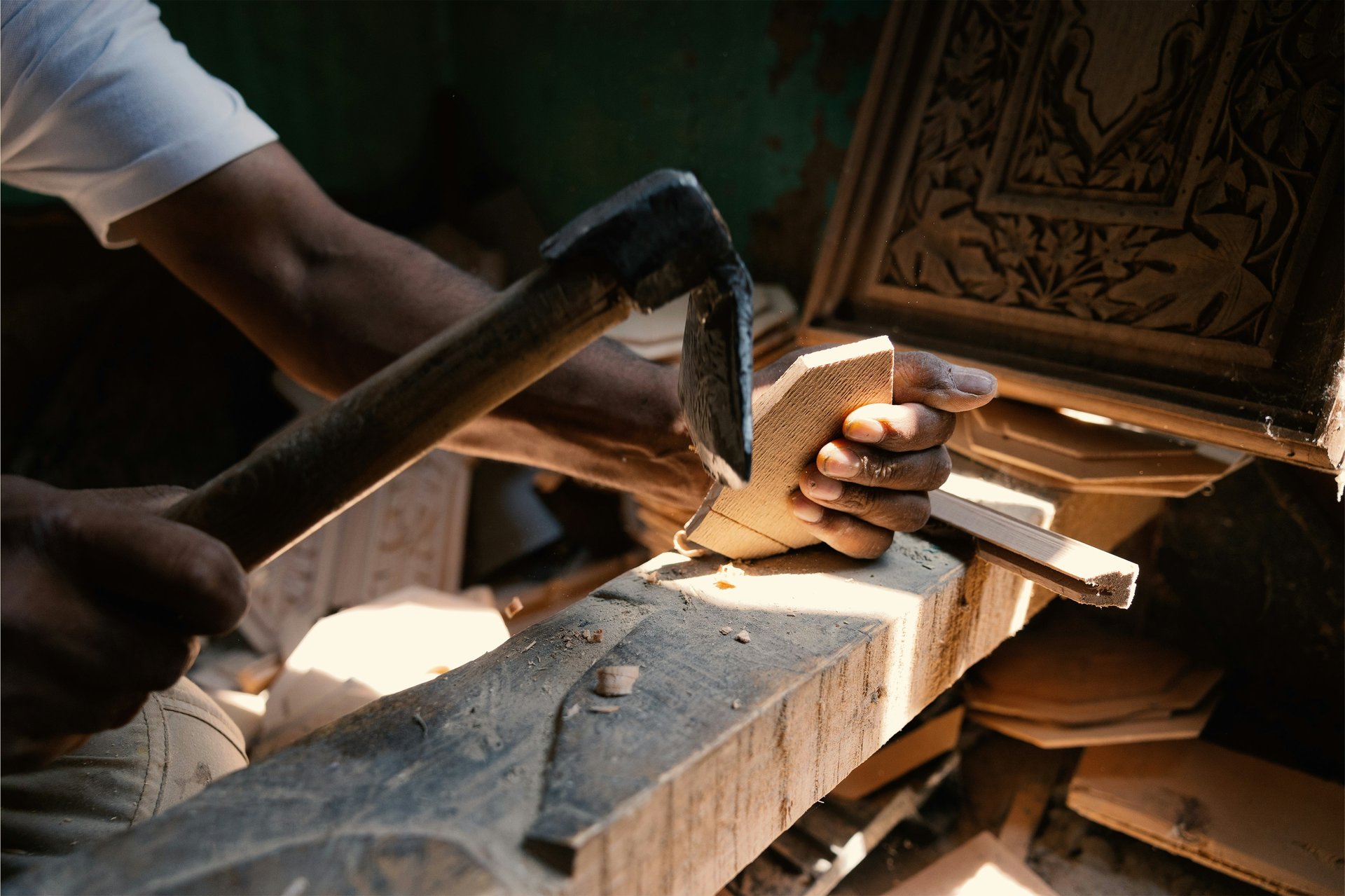
The basilica’s plans were signed by James O’Donnell, an Irish architect based in New York, assisted by British engineers. However, the stonemasons and other workers were mostly from Montreal and surrounding regions, making it primarily a French-Canadian construction site.
“The Basilica’s Interior Dates Back to 1829” – Inaccurate
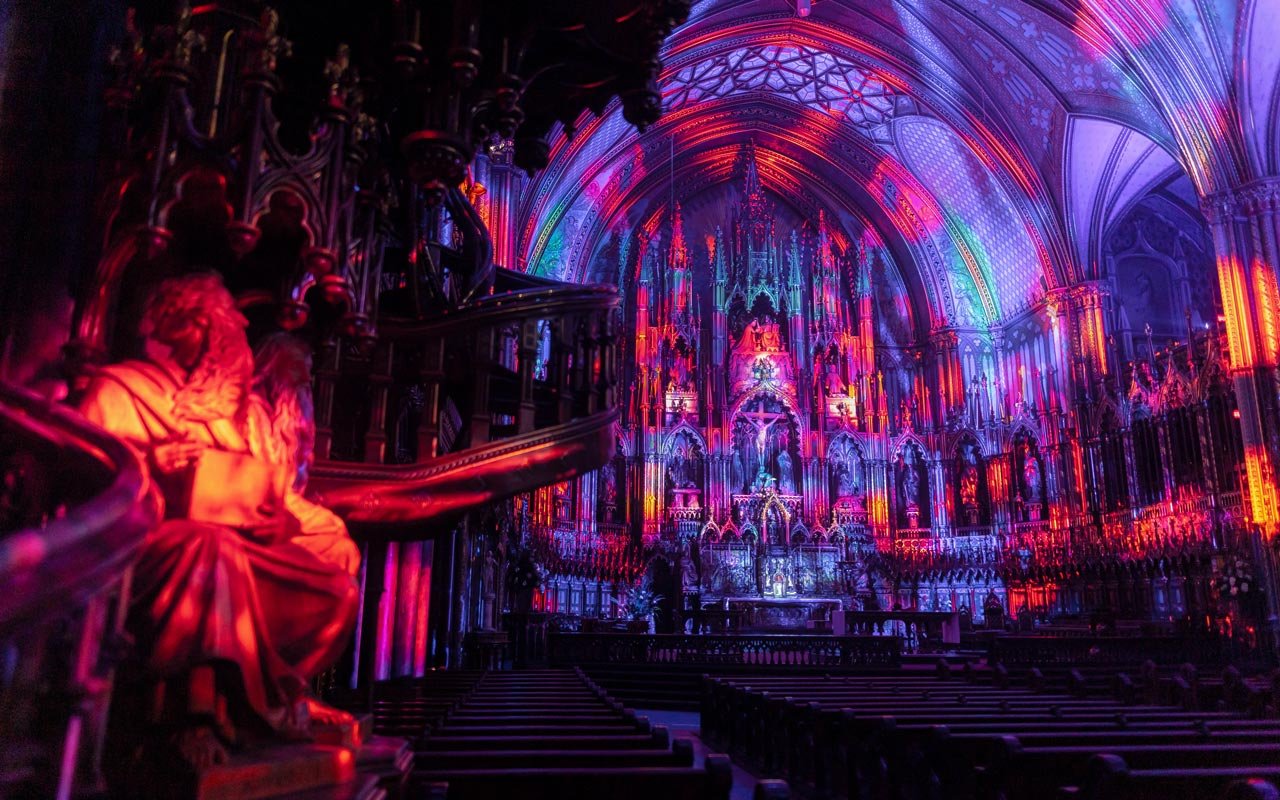
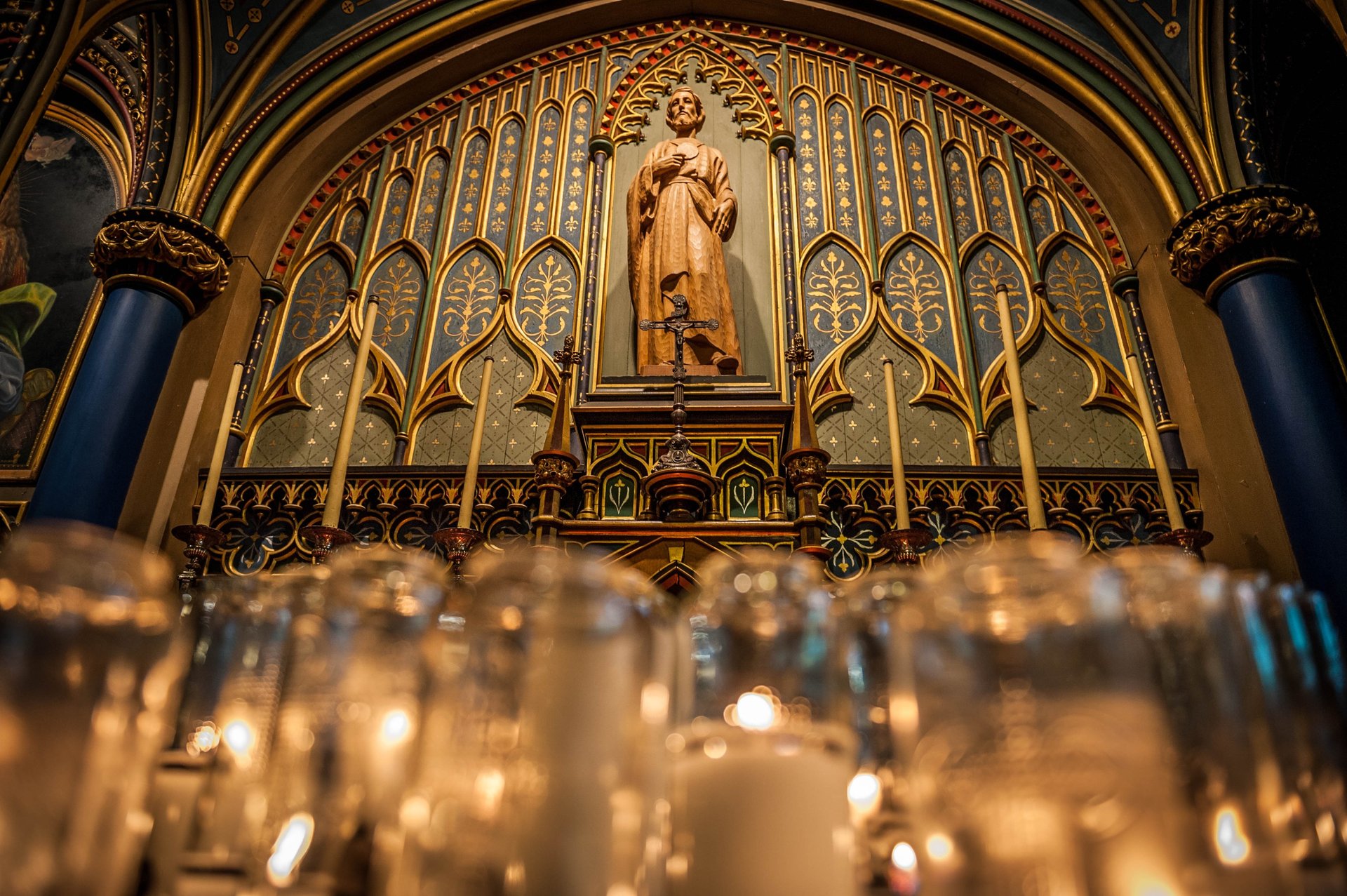
The original nave of the basilica was rather simple. The current polychrome decor (blue vault, golden altarpiece) was created by Victor Bourgeau between 1859 and 1885. The Chapel of the Sacred Heart was even rebuilt after a fire in 1978.
“The Basilica is Older Than the City” – False
Montreal was founded in 1642. The Notre-Dame Basilica, built starting in 1824, replaced a parish church inaugurated in 1683. Other places of worship, such as Notre-Dame-de-Bon-Secours Church, built in 1771, predates the basilica, but none predate the founding of the city.
“The Casavant Organ has Remained Untouched Since 1891” – False
The Casavant Frères Opus 26 organ underwent major restoration in 1991: new stops were added, the console was modernized, and the entire instrument was cleaned. Its original case remains, but the internal mechanics have evolved to meet contemporary standards.
“Visiting is Always Free” – False (except for masses)
Outside of religious services, the tourist admission fee of $15 (2025 rate) helps fund the conservation and restoration of the building. Worshippers may attend daily liturgical celebrations free of charge.
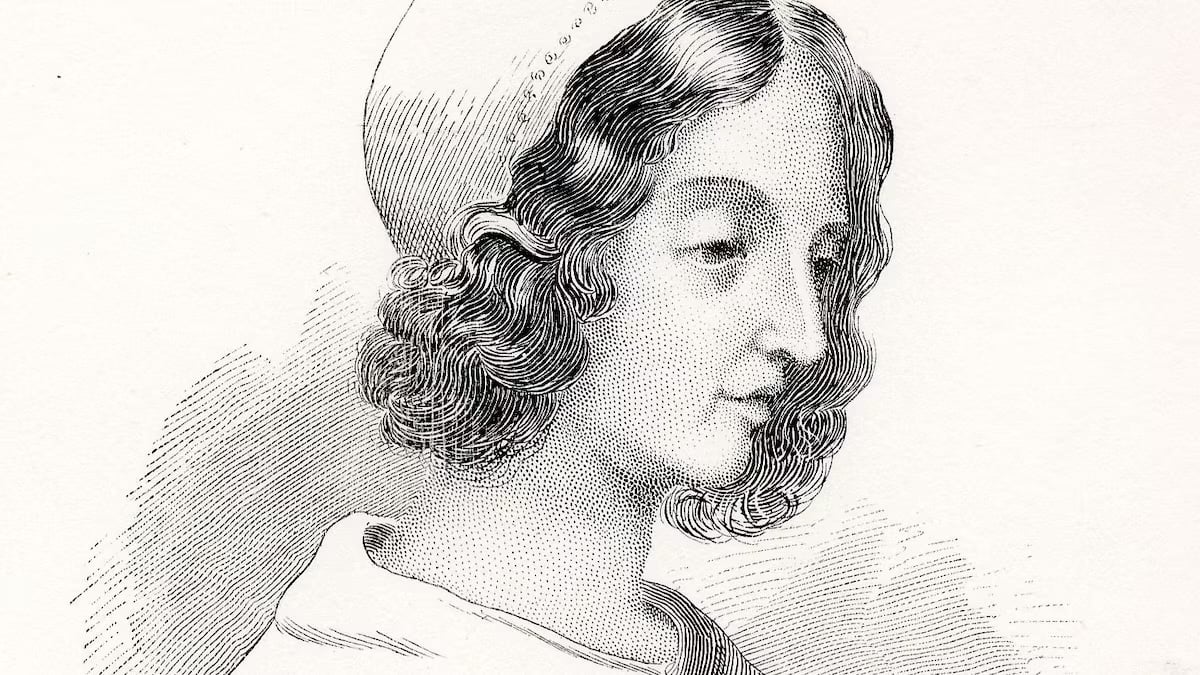
“James O’Donnell, the Architect, is Buried in the Basilica” – True
Converted to Catholicism on his deathbed in 1830, the Irish architect of Notre-Dame Basilica rests in the crypt. He remains the only person buried beneath the building he designed. The commemorative plaque remains in place.