Key element
Stone, a symbol of lasting durability
Beyond the stained glass and starry vaults, Montreal’s Notre-Dame Basilica is built from local stone, each block whispering nearly 200 years of artisanal ingenuity.
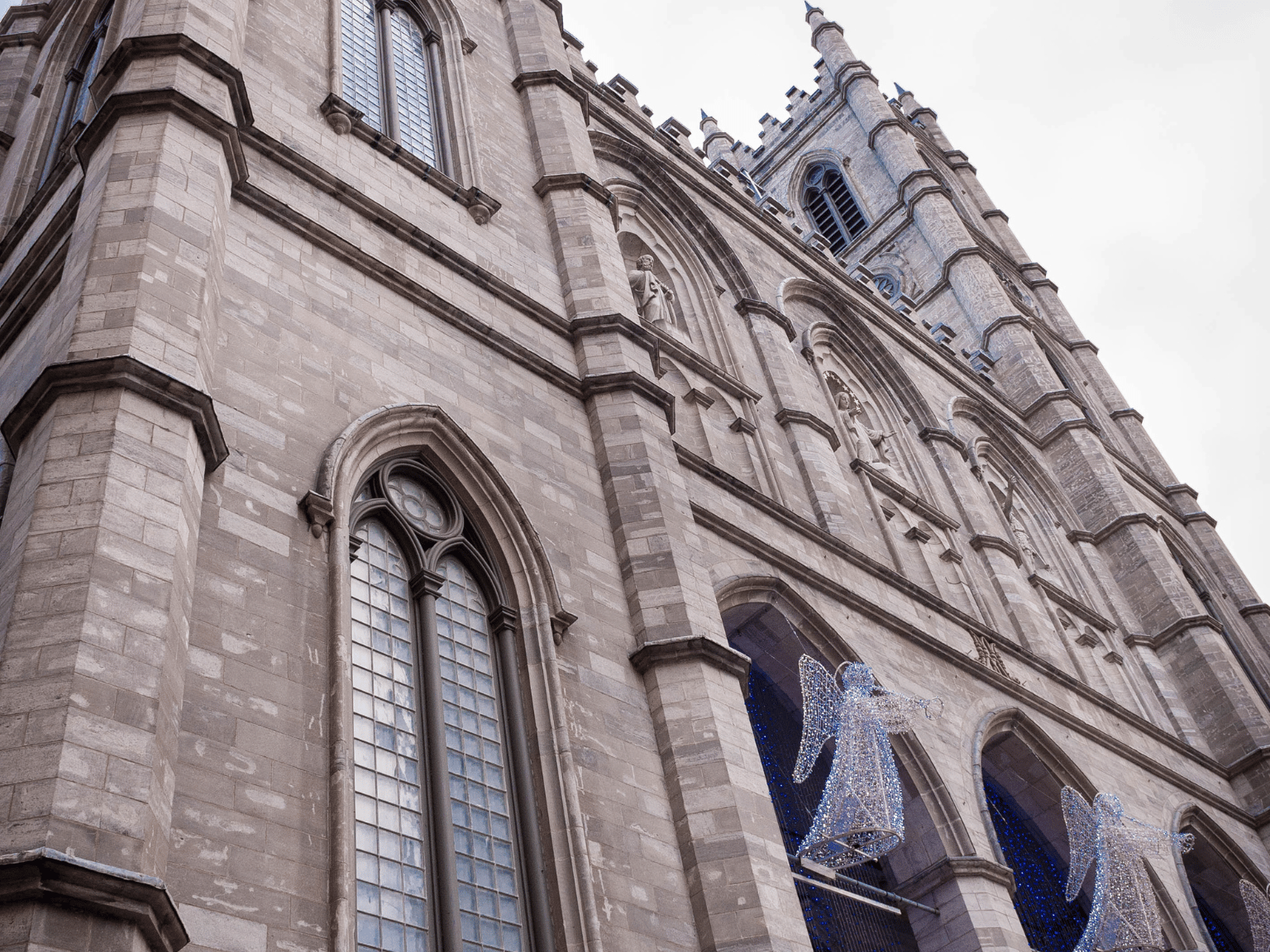
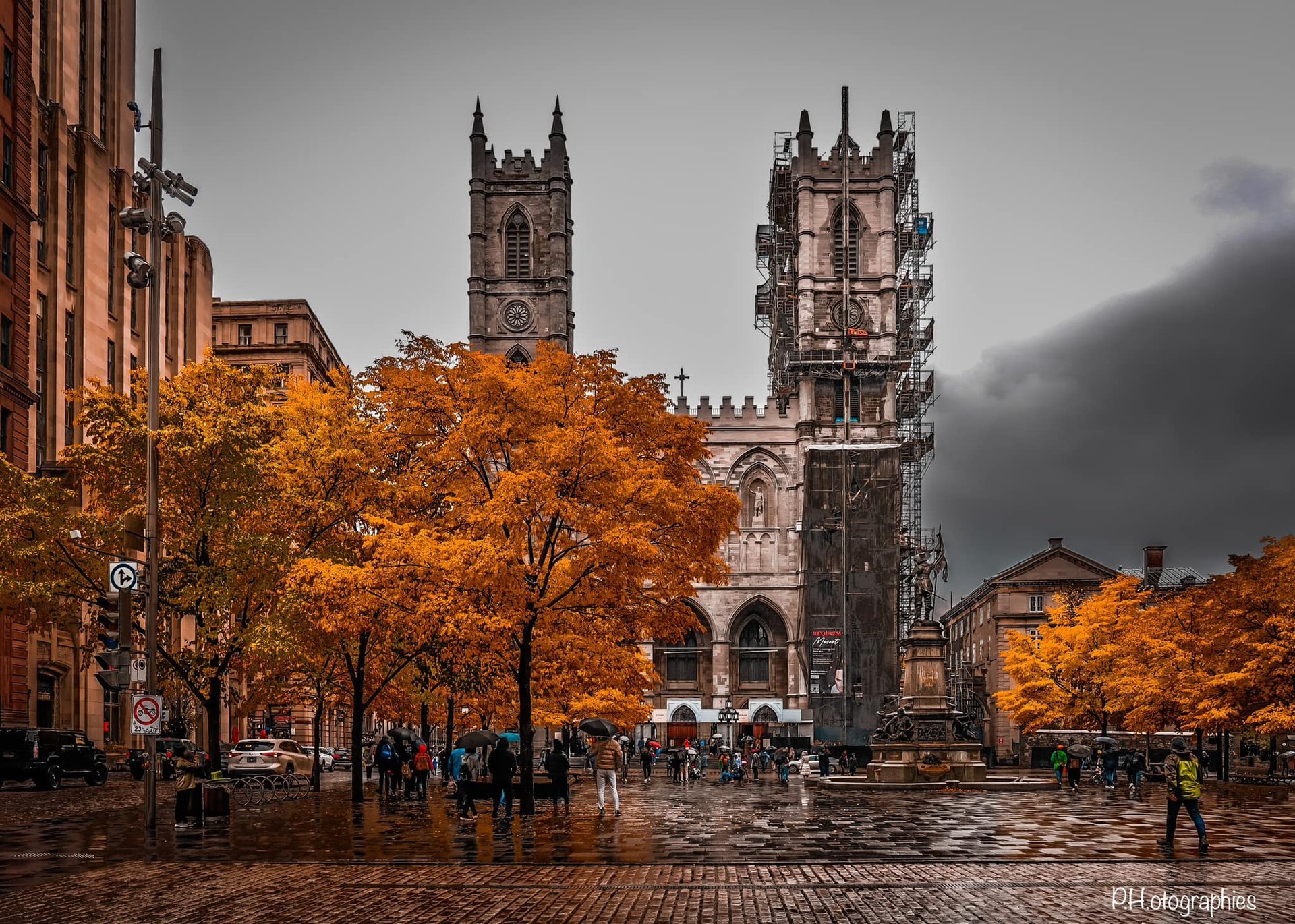
In the heart of Old Montreal, Notre-Dame Basilica stands as one of the most striking monuments of Quebec and Canada’s religious and architectural heritage. Built in the 19th century, each year it attracts visitors from around the world, drawn by its stained glass windows, sculptures, starry ceiling, and Neo-Gothic style. Beyond its beauty, its foundations and walls also tell a story: the story of stone.
Construction of the Basilica began in 1824, based on plans drawn by Irish-born architect James O’Donnell. At the time, Montreal’s population was growing rapidly, and the existing parish church was no longer sufficient. A larger, more ambitious building was needed to meet the spiritual needs of a thriving community.
A practical, economical, logical choice
The primary material used for construction was grey limestone, a local stone quarried in and around Montreal. This choice was above all practical: limestone is abundant, easy to carve, relatively light, and most importantly, durable. It withstands harsh weather conditions and climates, making it an ideal building material. Sourcing it locally also helped reduce costs and delays, while supporting regional craftsmen and labourers.
Building the Basilica required intense manual labour. Stone blocks were extracted by hand, transported by cart, and shaped directly on-site by skilled stonemasons. Every wall, column, and flying buttress was crafted with precision by these workers, whose craftsmanship remains stunning to this day. Their expertise not only made it possible to construct an impressive building, it also left a physical trace of their legacy, still visible two centuries later.
Stone’s trace through time
The stone of the basilica serves more than a structural purpose: in society, stone is also a symbol of strength, stability, and endurance. This symbolism takes on a tangible form with the Notre-Dame Basilica, knowing that its foundations are solid in both the literal and figurative sense.
The architecture and materials of the Basilica become a message in themselves for future generations: the height of the vaults, the thickness of the walls, and the mass of the columns all evoke a sense of permanence. The building seems to defy time - just like the stone it is made of.